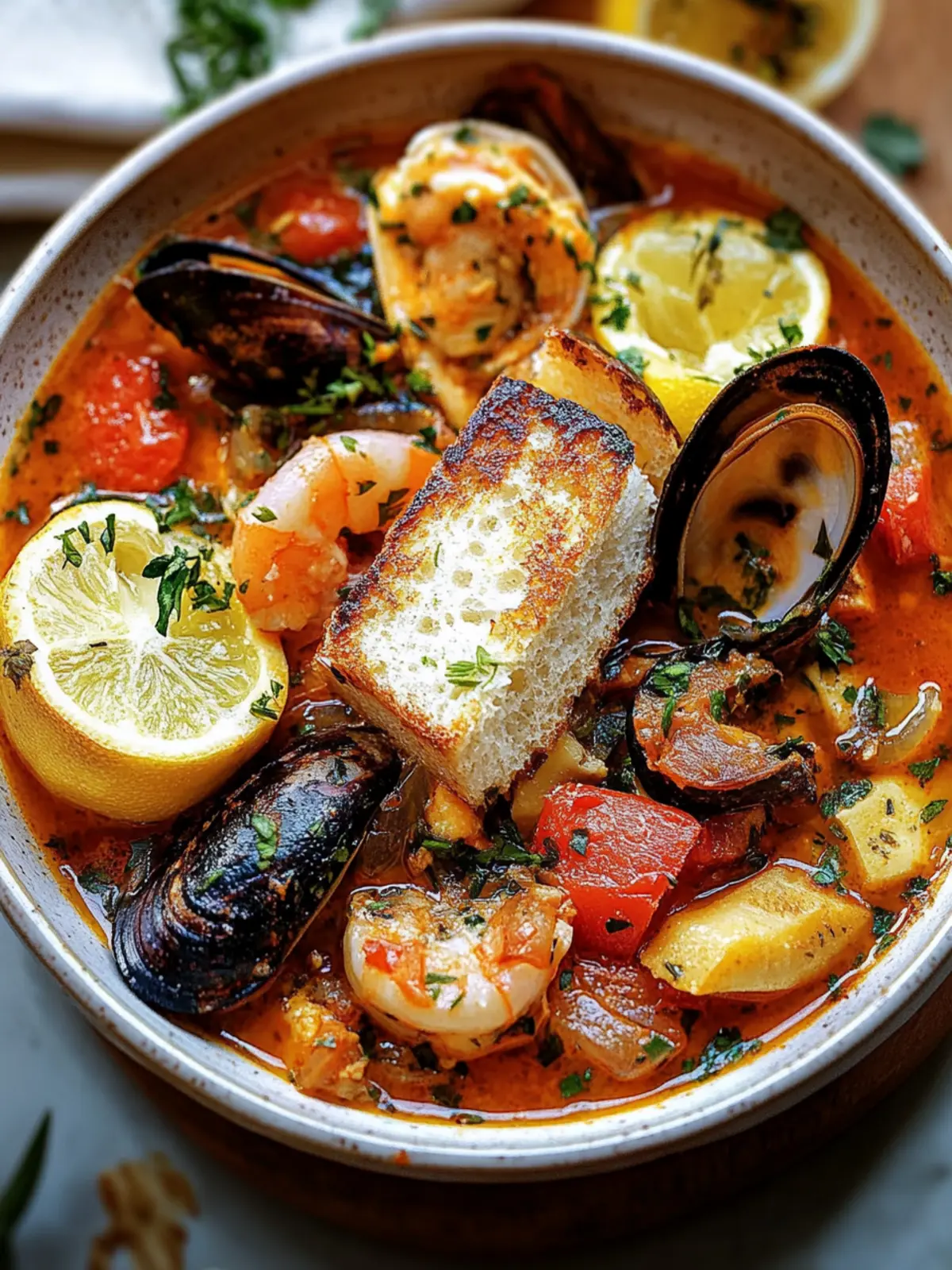
Bouillabaisse, a name that evokes images of sun-drenched Provençal coasts and bustling Mediterranean markets, is far more than just a fish stew. It's a culinary experience, a testament to the bounty of the sea, and a dish that truly shines when personalized. Originating in the ancient port city of Marseille, this classic French seafood stew was born from the humble practice of local fishermen cooking up their unsold catch of the day. Today, it remains a beloved staple, celebrated for its rich, aromatic tomato-saffron broth and its impressive presentation. While its traditional roots are deep, the beauty of a genuine bouillabaisse recipe lies in its adaptability, allowing you to tailor it to your palate and what the freshest catch of your local market offers.
Picture this: a vibrant, deep orange broth, fragrant with saffron and fennel, brimming with succulent pieces of fish and shellfish. Served alongside, golden-toasted crostini and a piquant, saffron-infused aioli called rouille. This is a dish designed to impress, to gather friends and family around a table, and to transport them straight to the south of France. Whether you're a seasoned chef or an enthusiastic home cook, mastering your own bouillabaisse is a deeply satisfying endeavor, and one that promises incredible rewards.
The Heart of the Sea: Crafting Your Perfect Bouillabaisse Seafood Selection
The essence of any authentic bouillabaisse lies in the quality and variety of its seafood. Just as the fishermen of Marseille utilized the best of their daily haul, your ideal bouillabaisse recipe should reflect the freshest options available to you. Don't be constrained by a rigid list; instead, embrace the spirit of customization. The goal is a delightful interplay of textures and flavors from both firm, white fish and delicate shellfish.
- Firm White Fish: Options like halibut, cod, snapper, or monkfish are excellent choices. Their sturdy texture holds up beautifully in the simmering broth without flaking apart too quickly. Look for fillets that are bright, firm, and have a fresh, ocean scent.
- Delicate Shellfish: Littleneck clams and mussels add a wonderful briny burst and open up enticingly in the hot broth. Shrimp and scallops bring sweetness and a tender chew. Consider adding cleaned calamari for another textural dimension.
- Customization is Key: While the reference suggests halibut, littleneck clams, shrimp, and scallops, feel free to substitute or add based on your preferences and local availability. Have access to some fantastic local red snapper? Go for it! Found some pristine mussels on sale? Toss them in!
Expert Tip: Always prioritize freshness. When selecting your seafood, don't hesitate to engage with your local fishmonger. They are a valuable resource, offering advice on the best catches for your region and season, and can guide you toward the highest quality selections. Once purchased, plan to prepare your bouillabaisse within a day to ensure optimal flavor and texture. Remember, the true French tradition encourages adapting the recipe to what’s fresh and local – so unleash your inner Provençal chef!
The Soul of Provence: Building the Aromatic Saffron Broth
While the seafood captures the eye, it's the broth that truly defines bouillabaisse. This deep, rich liquid is a symphony of flavors, with saffron playing a starring role in both its vibrant color and intoxicating aroma. Creating this foundational element requires careful attention to a few key ingredients:
Essential Broth Ingredients for Your Bouillabaisse Recipe:
- San Marzano Tomatoes: These prized Italian tomatoes are revered for their balanced sweetness and low acidity, providing a perfect base for the rich broth. Using high-quality crushed or whole peeled San Marzanos will elevate the flavor significantly.
- Saffron: The "red gold" of the culinary world, saffron threads are indispensable. A small amount goes a long way, imbuing the broth with its signature golden hue and a subtly earthy, floral perfume that is utterly unique. Always opt for high-quality threads, not powder, for the best results.
- Leeks: Distinguishing bouillabaisse from other fish stews, leeks offer a milder, sweeter onion flavor than traditional onions. Ensure they are thoroughly cleaned to remove any grit.
- Fennel Bulb: Finely diced fennel contributes a distinct anise-like flavor that is surprisingly delicate and adds a wonderful depth to the broth. Don't discard the feathery fronds; they make a beautiful and fragrant garnish.
- Garlic: Essential for both the broth and the rouille, fresh garlic provides a pungent, aromatic foundation.
- High-Quality Olive Oil: Used for sautéing the vegetables and as a base for the rouille, a good extra virgin olive oil is crucial for its flavor contribution.
- Stock: While you can make your own fish stock for an even deeper flavor, a high-quality store-bought fish or vegetable stock can work wonderfully. Look for low-sodium options to control the seasoning.
- Herbs & Spices: A small bundle of fresh thyme, tied with butcher’s twine for easy removal, adds an herbaceous note. A pinch of red pepper flakes or a subtle spice blend can introduce a gentle heat, rounding out the complex profile.
The magic happens as these ingredients slowly meld together, simmering to create a broth that is both robust and refined. The gentle warmth allows the saffron to fully infuse, transforming the broth into that unmistakable golden-orange hue, setting the stage for the exquisite seafood to come. This careful development of flavor is what truly makes a bouillabaisse unforgettable.
The Indispensable Companion: Rouille and Crostini
A true bouillabaisse experience is incomplete without its traditional accompaniments: rouille and crostini. These aren't mere garnishes; they are integral components that enhance every spoonful, adding layers of flavor and texture that elevate the entire dish.
Rouille: The Golden Saffron Aioli
Rouille, pronounced "roo-ee," is a rich, golden-orange aioli that acts as a flavorful counterpoint to the seafood stew. It’s vibrant, garlicky, and carries the same aromatic saffron notes found in the broth, creating a cohesive flavor profile. While you technically can serve bouillabaisse without it, as mentioned in our reference, it's widely agreed that the stew is vastly superior with this creamy, piquant sauce.
The core ingredients for a classic rouille include:
- Egg Yolks: Crucial for the creamy emulsion, providing richness and body.
- Roasted Red Peppers: These impart a smoky sweetness and vibrant color. Using a high-quality jarred variety or roasting your own for deeper flavor is recommended.
- Saffron: A pinch of saffron threads contributes to the signature golden hue and reinforces the aromatic essence of the stew.
- Garlic: Fresh garlic provides the characteristic pungency that makes aioli so irresistible.
- Lemon Zest: A touch of zest brightens the rich sauce, cutting through its intensity with a fresh, citrusy note.
- Soft White Bread: Blended into the sauce, it gives the rouille its characteristic body and thickness.
- High-Quality Olive Oil: Slowly emulsified into the other ingredients, it forms the luscious base of the aioli.
Spread generously on toasted crostini, rouille can be swirled into the broth, eaten on its own, or topped with a piece of seafood. It’s a condiment that truly transforms each bite. For a deeper dive into crafting this essential sauce, be sure to check out The Ultimate Bouillabaisse: Classic French Seafood Stew & Rouille.
Crostini: The Perfect Vehicle
Crisp slices of baguette, lightly toasted, serve as the ideal vessel for the rouille and for soaking up every last drop of the exquisite broth. Their simple crunch provides a delightful textural contrast to the tender seafood and silky broth, making them an indispensable partner to your bouillabaisse.
Mastering the Art of French Seafood Stew: Tips for Success
Creating a magnificent bouillabaisse is a rewarding culinary journey. Here are some actionable tips and insights to ensure your bouillabaisse recipe is a resounding success, whether you're taking your time or aiming for a speedier rendition, much like how Julia Child famously made her classic French stew:
- Mise en Place is Your Friend: The French concept of "everything in its place" is paramount for a dish with multiple components. Have all your vegetables chopped, seafood prepared, and spices measured before you even turn on the stove. This ensures a smooth cooking process and prevents rushing.
- Don't Skimp on Saffron: While expensive, a little high-quality saffron goes a long way. Its unique aroma and color are non-negotiable for an authentic bouillabaisse. Toasting the threads lightly in a dry pan before steeping them in a little warm broth can help extract maximum flavor and color.
- Layer Your Flavors: Build the broth slowly. Sauté the aromatic vegetables until tender, then add tomatoes, spices, and stock. Allow it to simmer gently for at least 20-30 minutes before adding the seafood. This allows the flavors to deepen and meld.
- Add Seafood in Stages: Different types of seafood cook at different rates. Add the firm fish first, then shellfish like clams and mussels, followed by quick-cooking items like shrimp and scallops. This prevents overcooking and ensures every piece is perfectly tender.
- Season Thoughtfully: Fish is naturally salty, but the broth needs careful seasoning. Use kosher salt and taste as you go, adjusting until the flavors sing. A touch of freshly ground black pepper is also welcome.
- Garnish for Impact: Fresh fennel fronds, chopped fresh parsley, or a final drizzle of high-quality olive oil not only add visual appeal but also a burst of fresh flavor.
- Embrace Customization: While following a solid bouillabaisse recipe is a great starting point, remember its roots as a flexible fisherman's dish. Feel free to experiment with different types of seafood, adjust the level of heat with a pinch more cayenne, or even deglaze your pan with a splash of dry white wine for added complexity.
With these insights, you're well-equipped to create a bouillabaisse that truly embodies the spirit of French culinary excellence, whether you opt for a leisurely cooking process or seek to craft this French stew in just about an hour, as demonstrated in Julia Child's Bouillabaisse: Make This French Stew in Just 1 Hour.
Bouillabaisse is more than just a meal; it's an event, a celebration of fresh ingredients and vibrant flavors. By embracing its customizable nature, you're not just following a recipe, you're becoming part of a rich culinary tradition. From selecting the freshest seafood to perfecting the aromatic saffron broth and crafting the indispensable rouille, every step in making your own bouillabaisse is a journey of discovery. So gather your ingredients, invite your guests, and prepare to embark on a truly unforgettable Provençal dining experience right in your own home.
